Brazilian beats: Gabriela Menezes bangs the drum for biodynamics
I’m explaining that I didn’t see her email from the previous evening. That’s why the meeting was moved at the last minute. “Massive apologies!”.
“Oh don’t worry, it’s the same reason I left my career in films!” says Gabriela. “I found it so stressful when people would contact me late on a Sunday night.”
“I was tied to my desk, answering emails eight hours a day”. Gabriela adds, screwing her face up. She was coordinating film shoots and organising crews in Sao Paolo, the largest city in Brazil, . It involved constant schedule changes, juggling of people and timings and a few tricky individuals too.
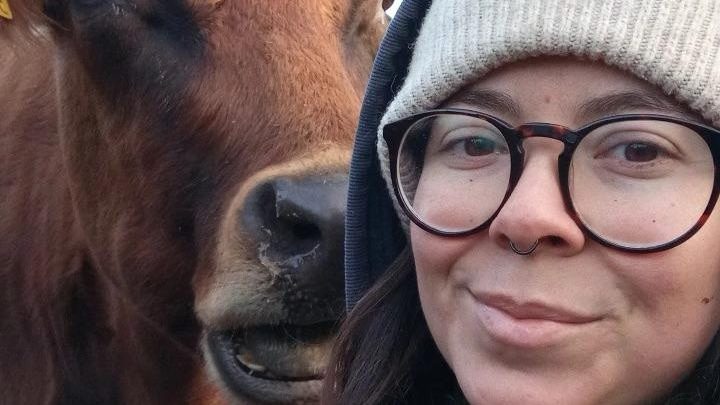
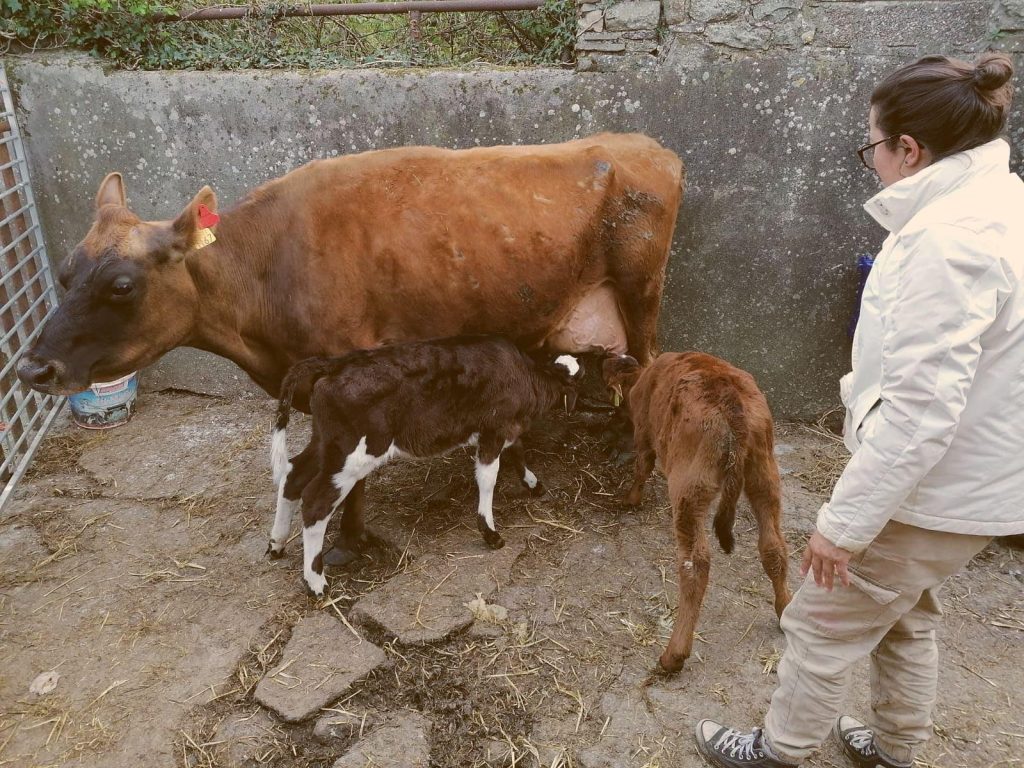
“Nothing was connecting me to nature and how the seasons work, or where food comes from. I didn’t realise you had to impregnate cows to get milk!”
“I didn’t realise you had to impregnate cows to get milk!”
A New Way of Life
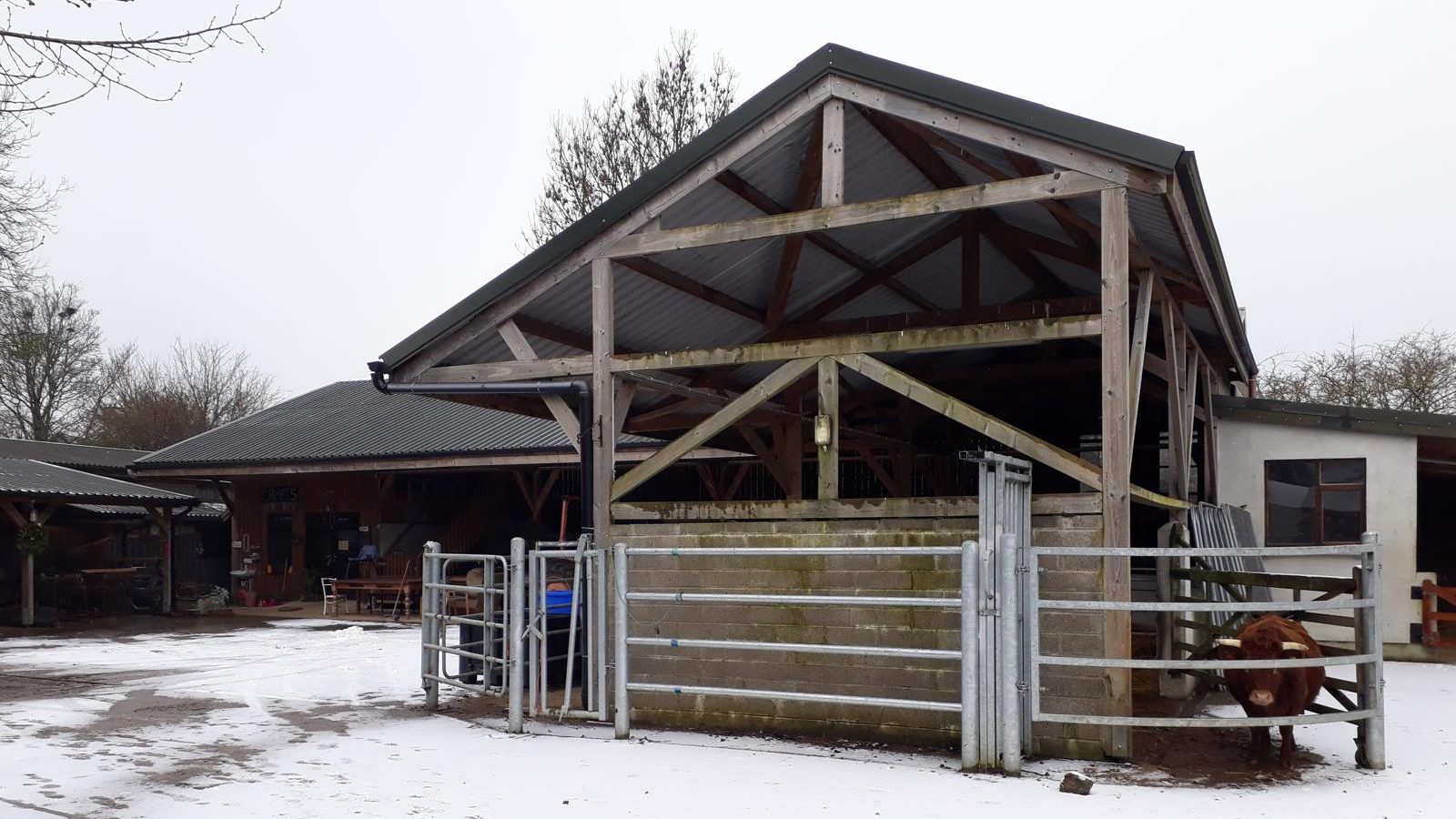
How things change. Now she’s at Plaw Hatch Farm in East Sussex, manning the shop and contributing to the vegetable growing on site, after two years at a dairy farm in Ireland. We at the Biodynamic Agricultural College are by no means going to claim all the credit for this big switch. But our Work-Based Training course has certainly played a part in her new way of life!
“I knew I had to do something different. I spoke to my sister. She’d been to one of the Camphill communities in Ireland, and raved about it.” So Gabriela applied for a visa, and as the year 2019 turned into 2020, the papers came through.
Camphill is a residential home for people with special needs. Started in Scotland in the 1940s, it now numbers 100 centres in 20 different countries. People who live there attend education centres, are part of community projects and receive support from volunteers like Gabriela.
It involved working with nine residents at the venue in County Kilkenny, as well as gardening, spending time with the few chickens and cows on site and helping out on the smallholding. And then Covid hit.
“Suddenly, we couldn’t go anywhere. There were no workshops, no outings. I’d often spend a whole month without leaving the community.”
Right on Time
But at least she arrived in time. A Brazilian friend of hers had to wait two years before the pandemic subsided and his visa turned up. “And Camphill was beautiful, with a river running behind the farm, green fields all around. I had work, a routine. So many people I knew were stuck in apartments.”
By October, she’d secured some part-time work at a farm nearby, Jerpoint Organic Dairy. She’d also started learning about biodynamics. A gardener at Camphill was sharing his thoughts with her on Steiner and anthroposophy.
“He was teaching me English, and this kind of turned into conversations about biodynamics, and then ‘why don’t I take the Work-Based Training course?’ It all happened very quickly. Suddenly, she was working as an apprentice in the garden. Camphill would support her through the training, and she was part of regular online lessons and occasional in-person sessions.
“He was teaching me English, and this kind of turned into conversations about biodynamics, and then ‘why don’t I take the Work-Based Training course?’
“I had almost zero knowledge of biodynamics before I started, so it was hard, especially in another language. But Mark [Moodie, course co-ordinator] was lovely. And Kai [Lang, course leader] really helped with the grading.”
And the highlight? “The week spent in England for the plant seminar was wonderful.” Taught by Alysoun Bolger, Saskia von Diest and Bryony Young, it covered plant health and observation, as well as how the biodynamic perspective supports plant growth. “There was lots of interaction between us and the teachers – plenty of questions. Saskia showed me that there are so many things that the eyes can’t see.”
I wouldn’t be where I am without the course, especially as an immigrant. It gave me the theoretical base that I needed. And it’s so much easier to learn when you’re doing at the same time.”
It also gave her a husband! While spending a couple of weeks at a seminar in Forest Row she met Bram. “The next step after training was going back to Brazil and breaking up or staying here. I chose to stick around!”
Making the Link
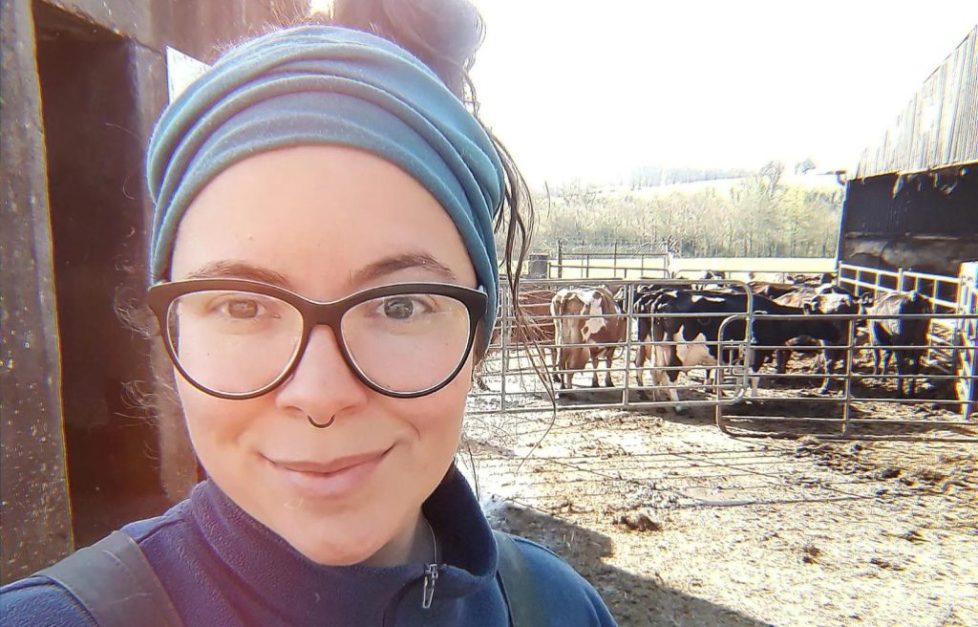
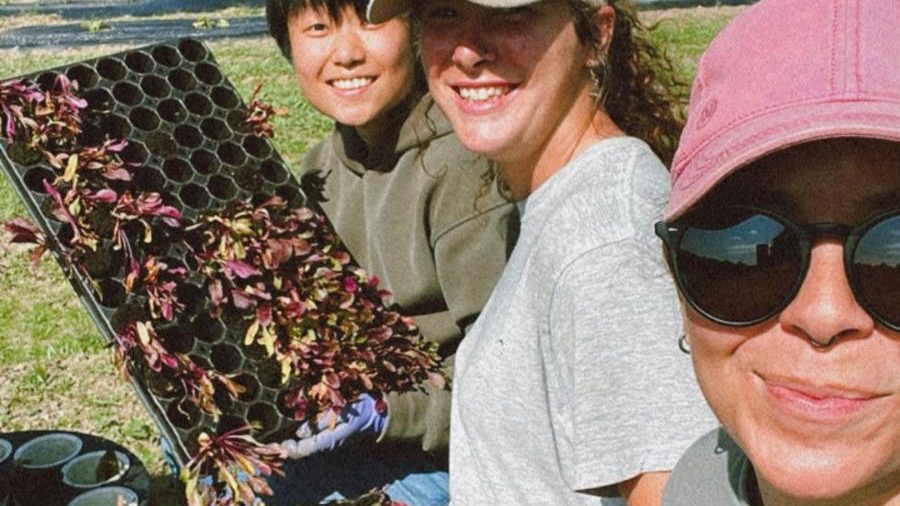
They now live at Orchard Eggs, an organic farm and egg seller near Plaw Hatch Farm, where Gabriela works. “I float between the shop and the garden, and it works out well. It’s quiet in the garden just before Christmas and busy in the shop.” Plus, if people have questions about the produce, she’s ready to answer them.
“I can also pass on comments from customers: what they think of what we grow, sharing that with people in the garden.”
There are four full-time growers and two volunteers working in the garden. “It’s a great team. And Plaw Hatch is a special place. People believe in what they’re doing and put the effort in. The only downside is the weather. When it’s autumn with the mud and the rain…
Gabriela trails off amidst the insane heat we’re speaking in. “At least there are four seasons here, unlike Brazil. So the spring and sunny days are always coming.”
They certainly are! And brighter times are ahead for the biodynamic community while Gabriela remains a part of it.